
Rose: Berlinale Review
Synopsis
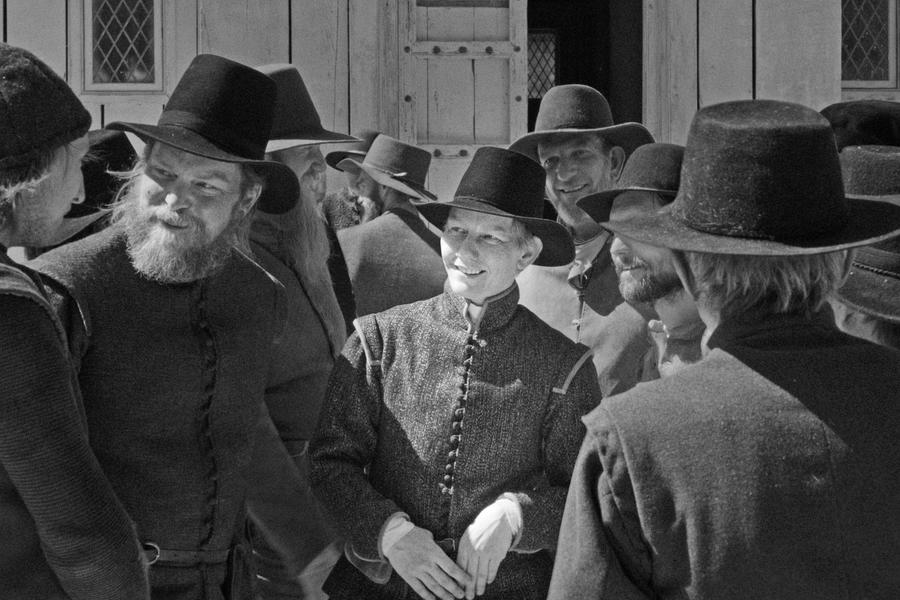
IN THE 17TH CENTURY, A MYSTERIOUS SOLDIER APPEARS IN A REMOTE PROTESTANT VILLAGE IN GERMANY. THE SMALL, QUIET STRANGER, WHOSE FACE IS DISFIGURED BY A SCAR, CLAIMS TO BE THE HEIR TO AN ABANDONED FARMSTEAD. TO SUBSTANTIATE HIS CLAIM, HEPRESENTS THE SUSPICIOUS VILLAGERS WITH A DOCUMENT. OVER TIME, THEY ABANDON THEIR DOUBTS. HE PROVES TO BE A HARD-WORKING AND GOD-FEARING MAN AND BECOMES PART OF THE COMMUNITY, EVEN THOUGH HIS DESIRE TO BELONG IS BASED ON AN UNTENABLE LIE. THE TRUE AND CONVOLUTED STORY OF A LAND AND PEOPLE SWINDLER WHO WAS BORN A WOMAN, BEHAVED LIKE A MAN, AND DECEIVED AN ENTIRE VILLAGE.
Cast and Crew
Directed by Markus Schleinzer
Starring: Sandra Hüller, Caro Braun, Marisa Growaldt, Godehard Giese, Augustino Renken
Trailer
Review
When I walked out of Rose, I immediately felt the need to talk about it. In the lobby, everyone seemed to be doing the same. I overheard an elderly man say, almost in disbelief, “All of this just because they were scared of the unknown.” That reaction sums up the film’s power. When a story pushes people into conversation the moment it ends, it has struck a nerve.
Set in the 17th century, Rose reaches far beyond its historical setting. What begins as a period story slowly reveals itself to be about fear, control, and the violence that grows out of both. The pacing is tight without feeling rushed, each scene carefully placed so that the tension accumulates almost unnoticed. The score lingers long after certain moments have passed, eerie and restrained, adding a sense of dread that never tips into excess. Visually, the film is stunning. The costumes feel lived in rather than ornamental, and the cinematography captures both the harshness and the strange beauty of its world. Every creative choice seems aligned with the emotional core of the story.
Sandra Hüller once again proves why she is regarded as one of Germany’s finest actors. Her performance is fearless and precise, full of small, deliberate choices that reveal entire inner worlds. Watching her work is a reminder of how much can be communicated through stillness. Her second Silver Bear for Best Lead Performance feels not only deserved but inevitable. Caro Braun is equally compelling as the married woman whose presence complicates and deepens the narrative. Together, they create a dynamic that elevates every scene they share, grounding the film’s larger themes in something intimate and painfully human.
The story itself feels layered in ways that will likely spark even more conversation as it reaches a wider audience. There is a clear thread about gendered performance and survival running through it, about the ways bodies are scrutinized and identities policed. Without ever becoming didactic, the film echoes elements of a trans narrative: secrecy, the constant negotiation of safety, and the fear of exposure. In doing so, it brushes up against contemporary political anxieties while remaining firmly rooted in its historical context. It becomes a character study that weaves masculinity and femininity together within suffocating systems of misogyny, showing how rigid roles damage everyone forced to inhabit them.
By the time the film reaches its final act, it has gathered a quiet momentum that culminates in something overwhelming. The ending feels both tragic and strangely transcendent, refusing easy resolution. It is the kind of finale that leaves you sitting still through the credits, aware that you have witnessed something unsettling and beautiful at once. Rose does not simply tell a story from the past. It holds up a mirror to the present and asks what, if anything, has truly changed.